


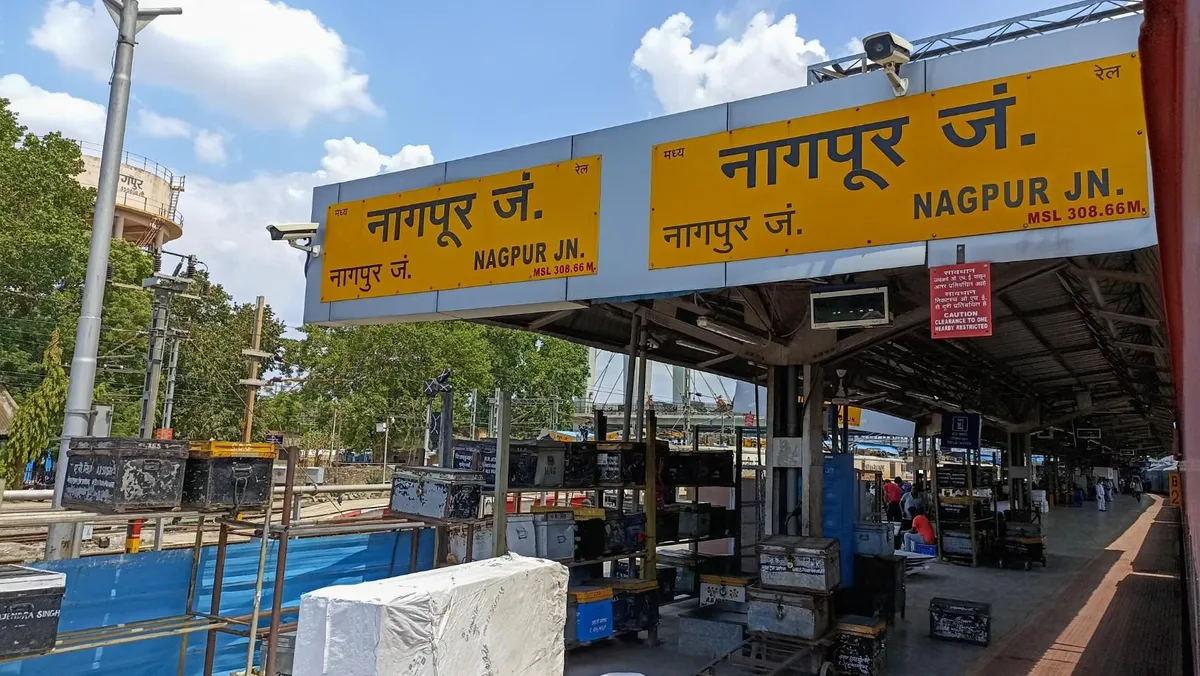
Nagpur, India
300+ HOTELS TO BOOK
https://www.booking.com/searchresults.en.html?city=-2105396&aid=8036584&no_rooms=1&group_adults=2
Sitting right at the geographical centre of India, Nagpur is a city that surprises every traveller who visits. Known as the ‘Orange City’ for its famous mandarins, Nagpur blends ancient history, spiritual landmarks, and modern energy into one unforgettable destination. Here’s everything you need to know before you go.
A Brief History of Nagpur
Nagpur has an intriguing history that traces back to 1703, when it was founded by the Gond King Bakht Buland Singh of Deogarh. Long before that, the region served as a centre for the aboriginal Gond tribes, making it one of the oldest continuously inhabited areas in central India.
The city later became a part of the Maratha Empire under the royal Bhonsale dynasty. In 1853, following the death of Raghoji III, Nagpur was annexed by the British East India Company. Under British rule, the city developed significantly — railways and better roads were built, educational institutions were established, and Nagpur became the capital of the Central Provinces and Berar in 1861.
After India’s independence, Nagpur continued to grow in importance. Following an informal agreement known as the ‘Nagpur Pact’, the city was made the second capital of the newly formed state of Maharashtra in 1960, a status it retains to this day. The Maharashtra state assembly holds its annual winter session here.
Today, Nagpur is the third largest city in Maharashtra and the 9th largest urban agglomeration in India. It is also home to the headquarters of the RSS and is an important location for the Dalit Buddhist movement — making it a city of deep political and cultural significance.
Top Things to See in Nagpur
- Deekshabhoomi — A sacred and historic site where Dr. B.R. Ambedkar converted to Buddhism along with approximately 600,000 followers in 1956 — one of the largest single religious conversions in recorded history. The stunning hollow stupa here is a must-visit.
- Sitabuldi Fort — Built during the British era, this imposing fort on twin hillocks in the heart of the city witnessed significant conflicts and offers a fascinating glimpse into Nagpur’s military history.
- Zero Mile Marker — A 1907 British survey pillar that marks the geographical centre of India. More than a monument, it symbolises Nagpur’s central role in the country’s history and geography.
- Nagardhan Fort — A large and historic fort that speaks to the city’s ancient past and the power of the Gond and Maratha rulers who once dominated this region.
- Tadoba National Park — Located just a few hours from the city, Tadoba is one of India’s finest tiger reserves and a top destination for wildlife enthusiasts.
How to Get to Nagpur
By Air — Dr. Babasaheb Ambedkar International Airport (NAG)
The closest airport to Nagpur is Dr. Babasaheb Ambedkar International Airport (NAG), located just 8 km from the city centre — roughly a 15 to 30 minute drive depending on traffic. The airport operates round the clock and connects Nagpur to major Indian cities including Mumbai, Delhi, Bengaluru, Hyderabad, Kolkata, Pune, and Indore. International flights are available to Middle Eastern destinations including Sharjah and Doha. From the airport, you can reach the city via taxis, auto-rickshaws, or app-based cabs like Uber and Ola.
By Train
Nagpur Junction Railway Station is a major rail hub that connects the city to all four metro cities — Mumbai, Kolkata, Chennai, and New Delhi — as well as Hyderabad, Bhopal, Amritsar, and many more. Trains run several times a day, and most major metros are roughly an overnight journey away. There is also a Vande Bharat Express service from Bilaspur.
By Bus
Nagpur is well connected by regular bus services from cities like Mumbai, Pune, Aurangabad, Hyderabad, Indore, and Surat. Both state-run MSRTC buses and private operators such as Neeta Travels, VRL Travels, and Royal Travels offer routes to and from Nagpur. The two main bus terminals in the city are Ganeshpeth and Sitabaldi.
By Road
Nagpur sits at a major highway junction, making it easily accessible by road from across India. Key highways passing through the city include NH 7 (Kanyakumari to Varanasi), NH 6 (Hajira to Kolkata), and NH 69 connecting Nagpur to Bhopal.
When to Visit
The best time to visit Nagpur is between October and February, when the weather is cooler and more comfortable for sightseeing. Summers in Nagpur can be intensely hot, with temperatures soaring above 40°C, so it is best avoided during peak summer months. The famous Nagpur oranges — sweet, juicy mandarins — are harvested and at their best between November and January, making this the perfect time to enjoy the city’s most iconic product.
Where to Stay in Nagpur
Nagpur offers a good range of accommodation options, from budget guesthouses near the railway station to comfortable mid-range hotels and business hotels in the city centre. Whether you’re visiting for a short stopover or a longer stay to explore the city and nearby Tadoba, you’ll find plenty of options to suit your budget.
https://www.booking.com/searchresults.en.html?city=-2105396&aid=8036584&no_rooms=1&group_adults=2
Final Thoughts
Nagpur is one of India’s most underrated travel destinations. With its central location, rich history, spiritual landmarks, and proximity to one of the country’s best national parks, it offers a travel experience that is both diverse and memorable. Whether you’re passing through or making it your main destination, Nagpur is well worth your time.
Table of Contents
Also Read
15 Landmarks To Visit Before You Turn 65
Rainwater Harvesting: An Eco-Friendly Approach to Water Conservation
Tabora: Exploring the Heart of Tanzania
25 South Indian Food Near Me In USA: Where Tradition Meets Taste
Ear Troubles? Learn How to Get Water Out of Your Ear